Europe
Burgundy
Overview
Grand cru vineyards, historic wine houses and the quiet market towns of eastern France.
Burgundy runs on a different logic than Bordeaux: smaller plots, more producers, and a hierarchy of vineyard classifications that collectors spend years learning — which makes a knowledgeable private introduction worth more here than almost anywhere else in French wine country.
Getting There
A direct TGV from Paris reaches Dijon, Burgundy’s regional capital, in about one hour forty minutes, making it an easy day trip or short overnight from the capital. From Dijon, the wine villages along the Côte d’Or are a short drive south, with most of the well-known appellations within 30–45 minutes of the city.
The Route des Grands Crus
The Route des Grands Crus runs roughly 60 kilometers from Dijon down through the Côte d’Or, and is really two distinct stretches. The Côte de Nuits, in the north, is Pinot Noir country and home to the grand cru villages most collectors know by name — Gevrey-Chambertin, Vosne-Romanée, Chambolle-Musigny among them. The Côte de Beaune, further south, produces both reds and Burgundy’s finest whites, centered on Beaune itself — the region’s wine capital and home to the Hospices de Beaune, whose Gothic-tiled roofline is one of Burgundy’s most recognizable images.
Practical Notes
Burgundy’s estates are smaller and more spread out than Bordeaux’s grand châteaux, and many are family-run with genuinely limited visiting slots — appointments matter more here and should be arranged well ahead, especially around the September–October harvest. Dijon’s own old town, built around the Palace of the Dukes of Burgundy, is compact and walkable, and worth a half day even for visitors focused mainly on the vineyards.
Entry Requirements and Everyday Money
Most passports — including the US, UK, Canada, Australia and Japan — allow entry to France and the wider Schengen area for up to 90 days within any rolling 180-day period, calculated backward from each day of your stay rather than from a fixed date; it’s worth checking your passport has at least three months’ validity left beyond your departure date. Cards are accepted at most estates, though the smaller, family-run producers in the Côte d’Or’s villages sometimes prefer cash for direct sales — worth carrying some. Service is included in restaurant bills by law (service compris), so tipping beyond that is a rounding-up gesture rather than an expectation.
If you’re planning a Burgundy trip, tell us whether you’re drawn to the Côte de Nuits reds or the Côte de Beaune whites and we’ll build the estate visits around it.
Burgundy
Why Visit
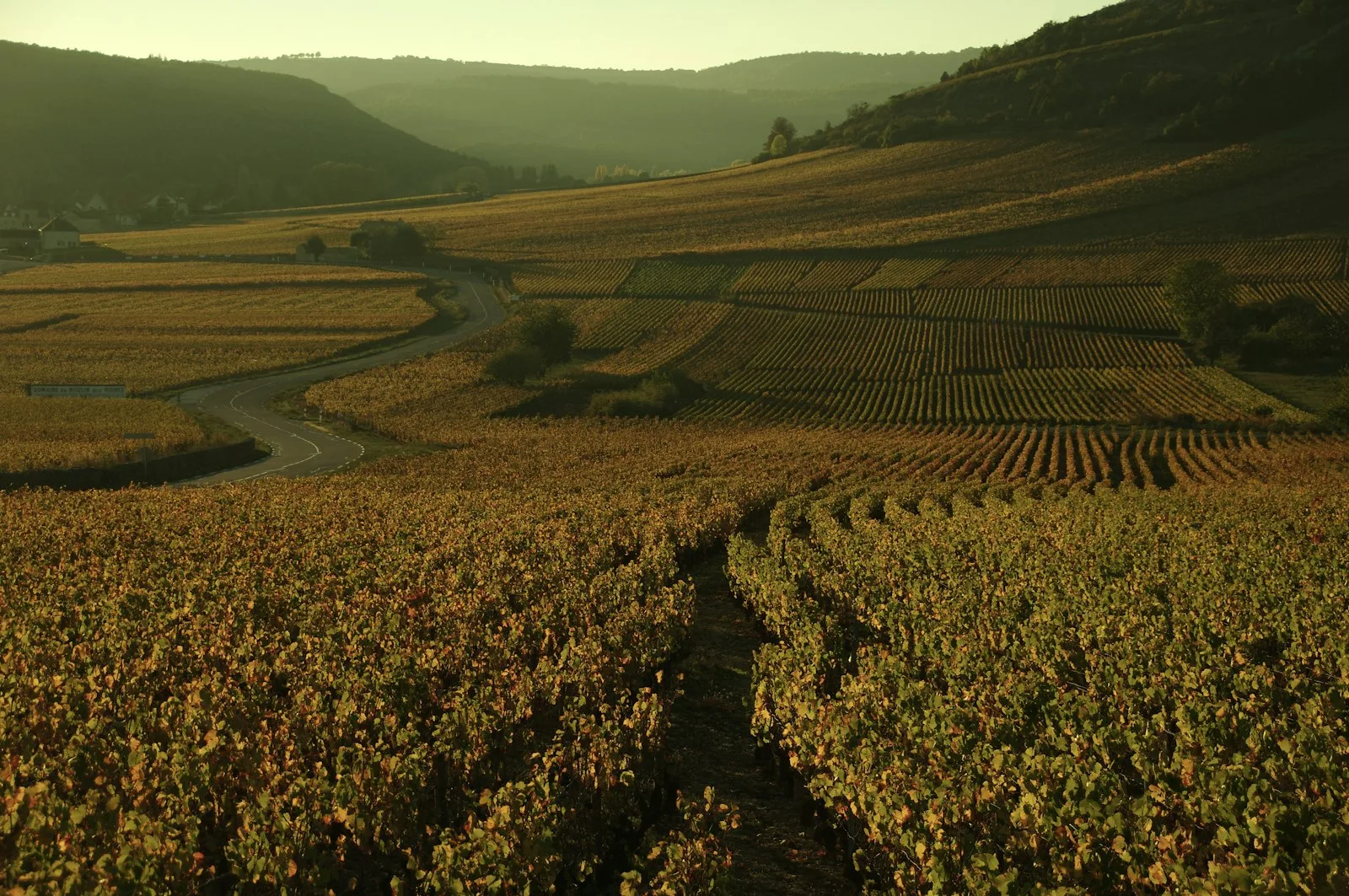
Direct booking access to leading Burgundy estates, including tastings rarely open to the public
- Owner-level welcomes and vertical tastings across several vintages
- Guidance on collecting and cellar investment for serious buyers
- Dijon, the regional capital, for historic architecture and a compact old town
- Best Time to Visit
- April–June and September–October for mild weather; September–October for the grape harvest.
- Suggested Stay
- 2–3 nights, often paired with Paris or the Rhône Valley.
Accommodations
Featured Accommodations
Villa
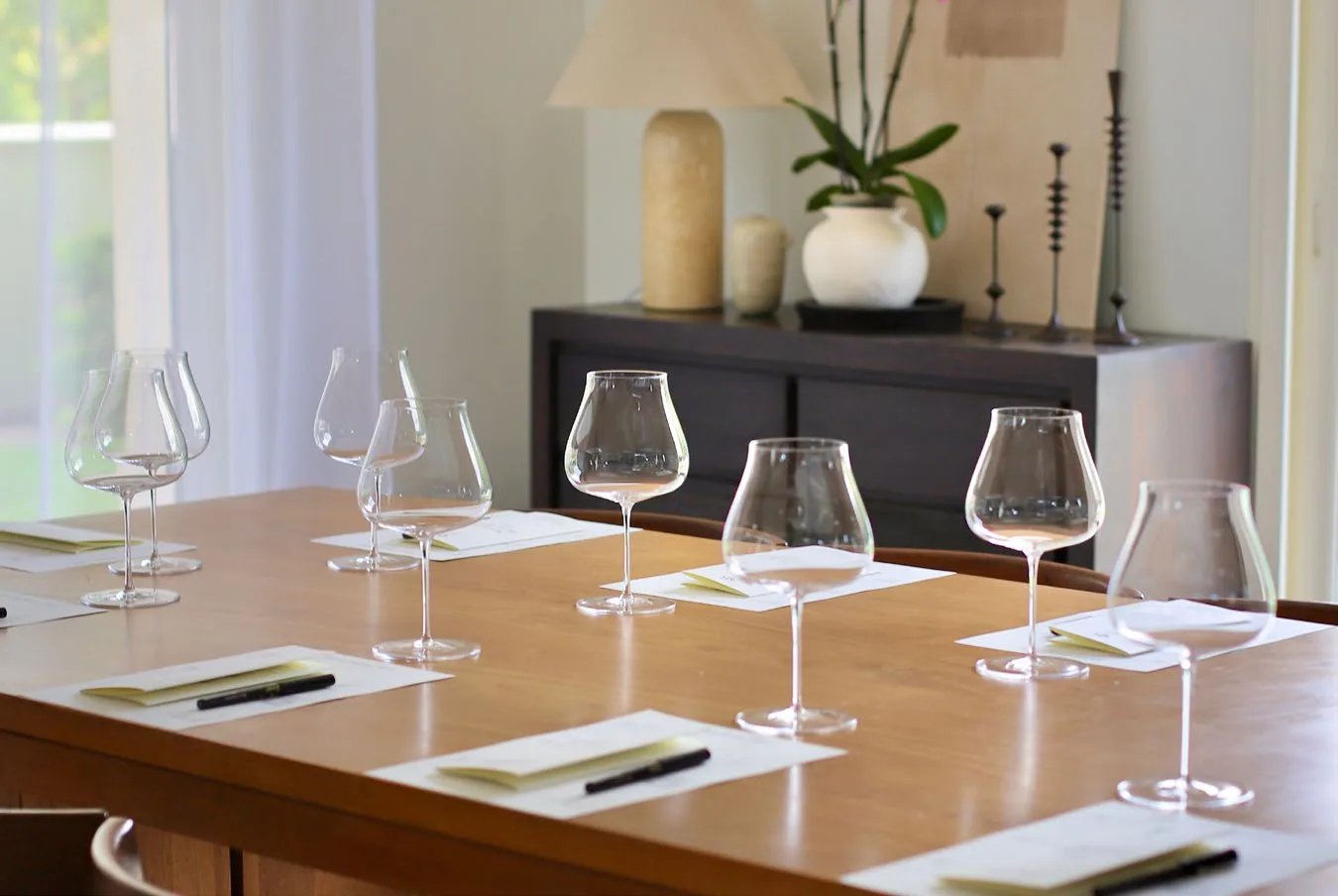
Maison Kairui
A four-bedroom wabi-sabi retreat near Quincey, on Burgundy's Grand Cru wine route, built by a winemaker as a place to slow down between cellars.
Hotel
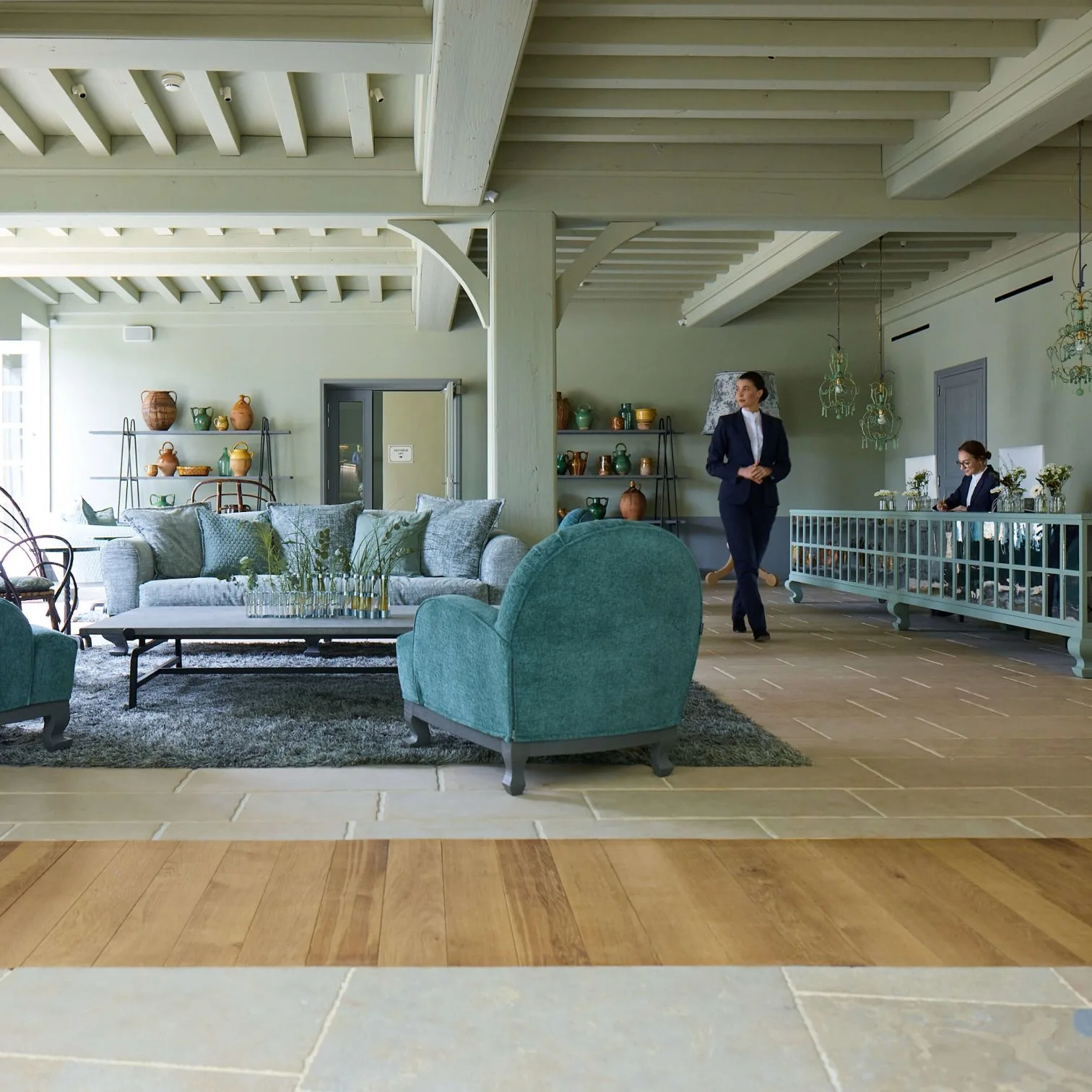
COMO Le Montrachet
A 19th-century village inn at the heart of Puligny-Montrachet, one of the world's most renowned wine villages — awarded a MICHELIN Key in 2025. 28 rooms and suites across three village buildings, with Villa Christine, a private 5-bedroom house, for larger groups.
Hotel
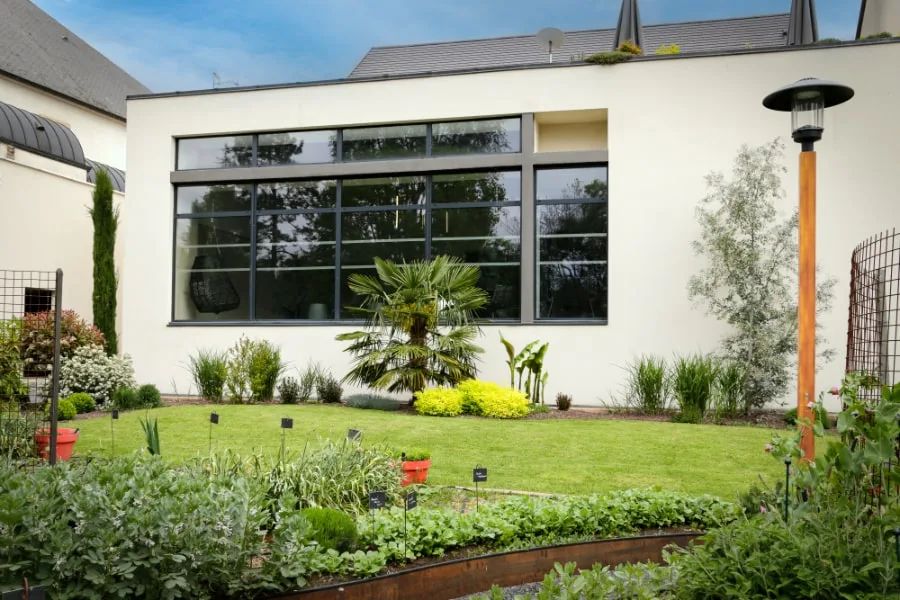
Le Richebourg
A 4-star hotel and spa in Vosne-Romanée, on the Route des Grands Crus in the village that gives Romanée-Conti its name, with 31 rooms and the VineaSpa wellness centre.
Travel Notes
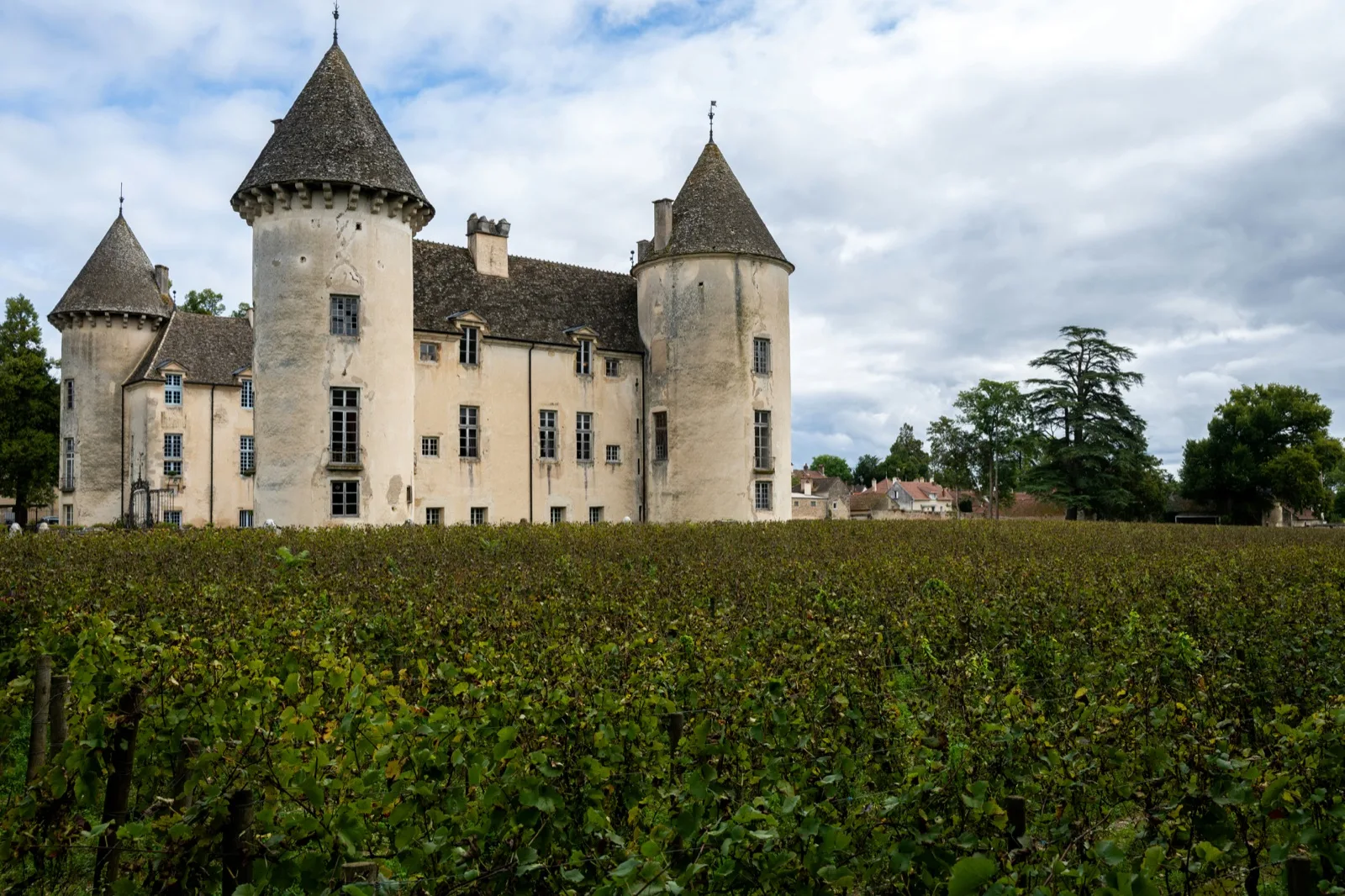
Burgundy estates are smaller and more spread out than Bordeaux ones, and many are family-run with limited visiting slots — appointments should be arranged well ahead, especially around harvest.
Destinations
Related Destinations
Europe
Athens
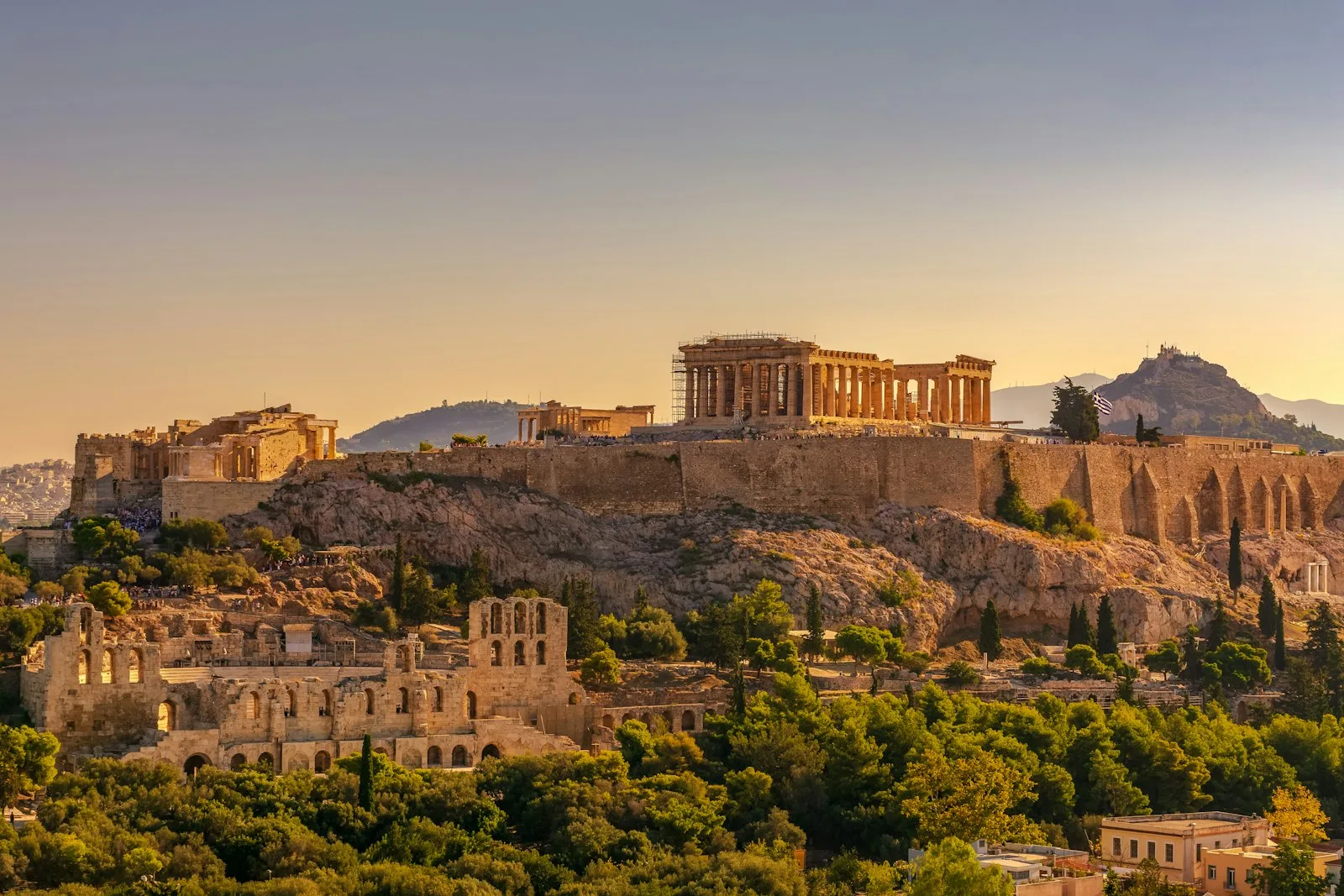
Ancient history paired with a fast-growing dining and design scene — often the starting point for an island-hopping trip.
Europe
Bordeaux
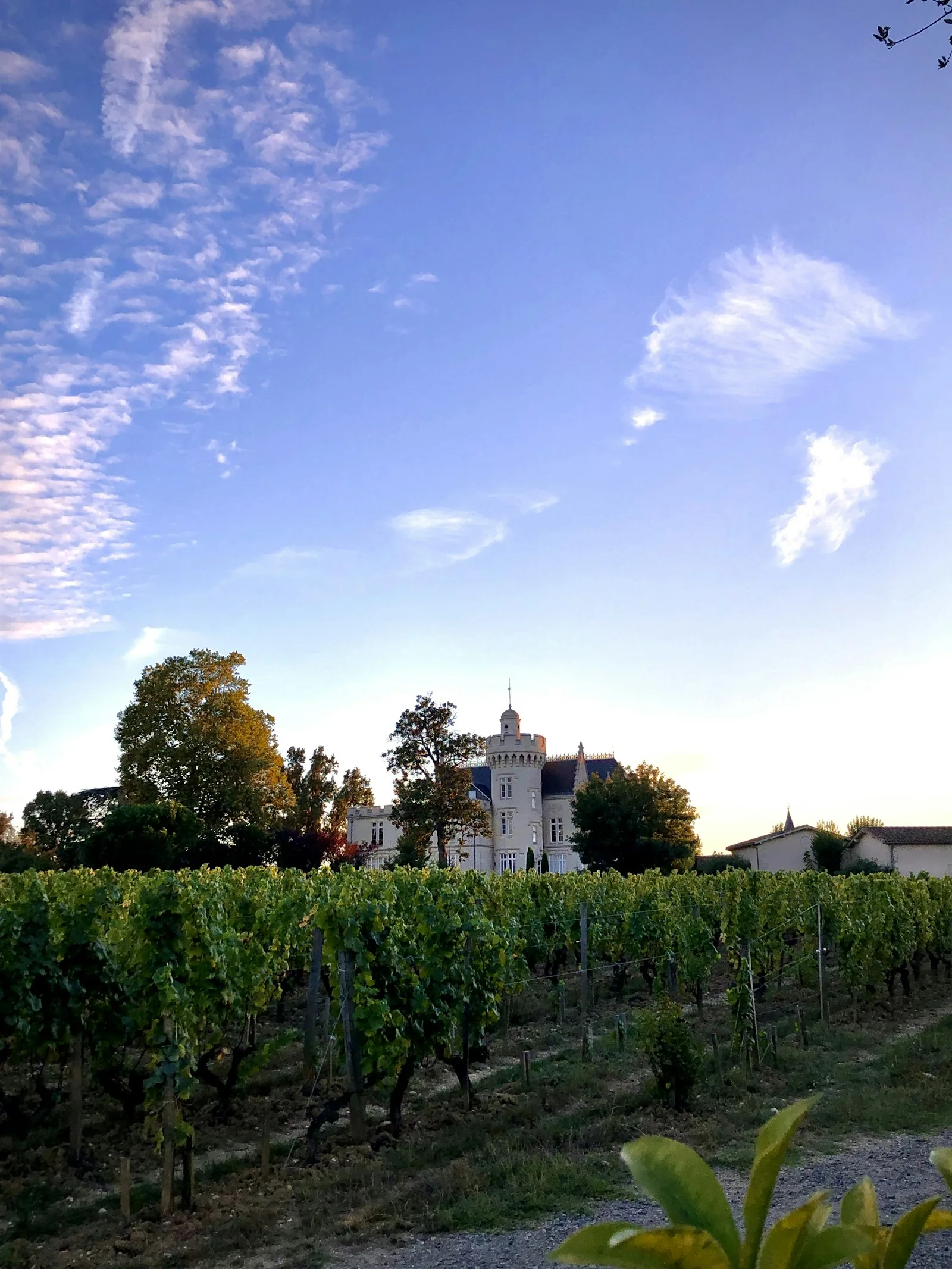
The heart of French wine country — château visits, private tastings and a compact, walkable city centre.
Europe
French Alps
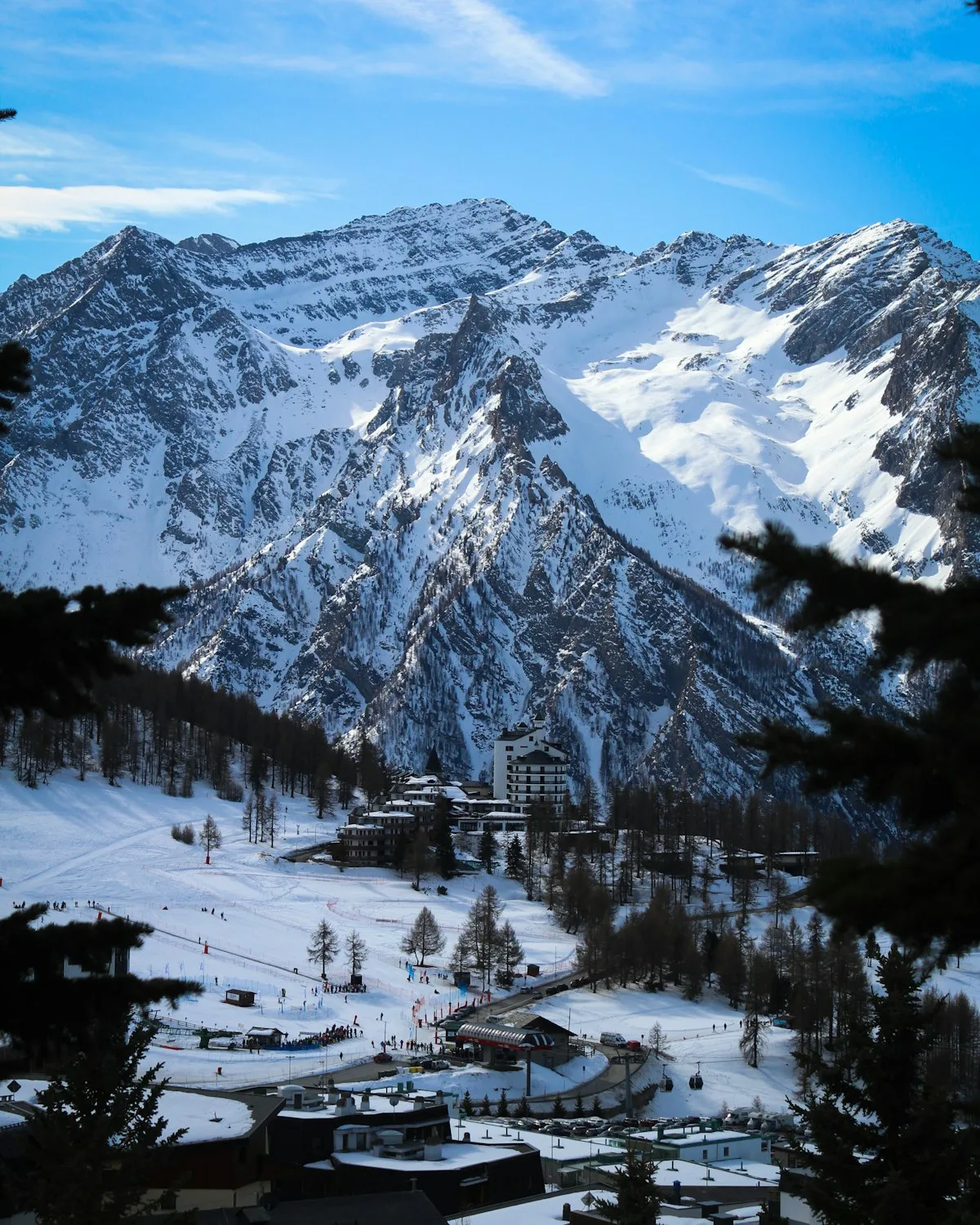
Ski-in/ski-out addresses, private instructors and mountain dining reserved well ahead of the season.
Burgundy
Why Plan This Through MYVIPSERVICE
- Real access, not promises — expert-guided museum tours at the Louvre, Musée d’Orsay and other major collections, and direct relationships with the Palace and boutique hotels we recommend, not just booking links.
- One point of contact from arrival to departure — a driver waiting, a concierge team reachable throughout, not a different agent for each booking.
- Planned in your language — the team works in Chinese, English and French, with WeChat as a real, working contact channel.
- Built around your itinerary, not a fixed package — every recommendation on this page can be adjusted, combined or replaced.
Start Planning With Us
Tell us what you have in mind — we'll take it from there.
Request Bespoke Service