Asia
Japan

Overview
Kyoto and Tokyo, seen through private access and a slower, more deliberate pace of travel.
Japan rewards a trip built around fewer places seen properly rather than a long list covered quickly — this is one destination where a slower pace genuinely changes what you take away from it.
Getting In and Getting Around
Haneda Airport, closer to central Tokyo at roughly 30–40 minutes by car or monorail, has taken on more international routes in recent years and is generally the more convenient arrival point; Narita, further out at 60–90 minutes, still handles a large share of long-haul flights. Between Tokyo and Kyoto, the Shinkansen bullet train covers the distance in about two hours and fifteen minutes on the fastest Nozomi services, reliable enough that a same-day connection between the two cities is entirely workable.
Tokyo and Kyoto, in Contrast
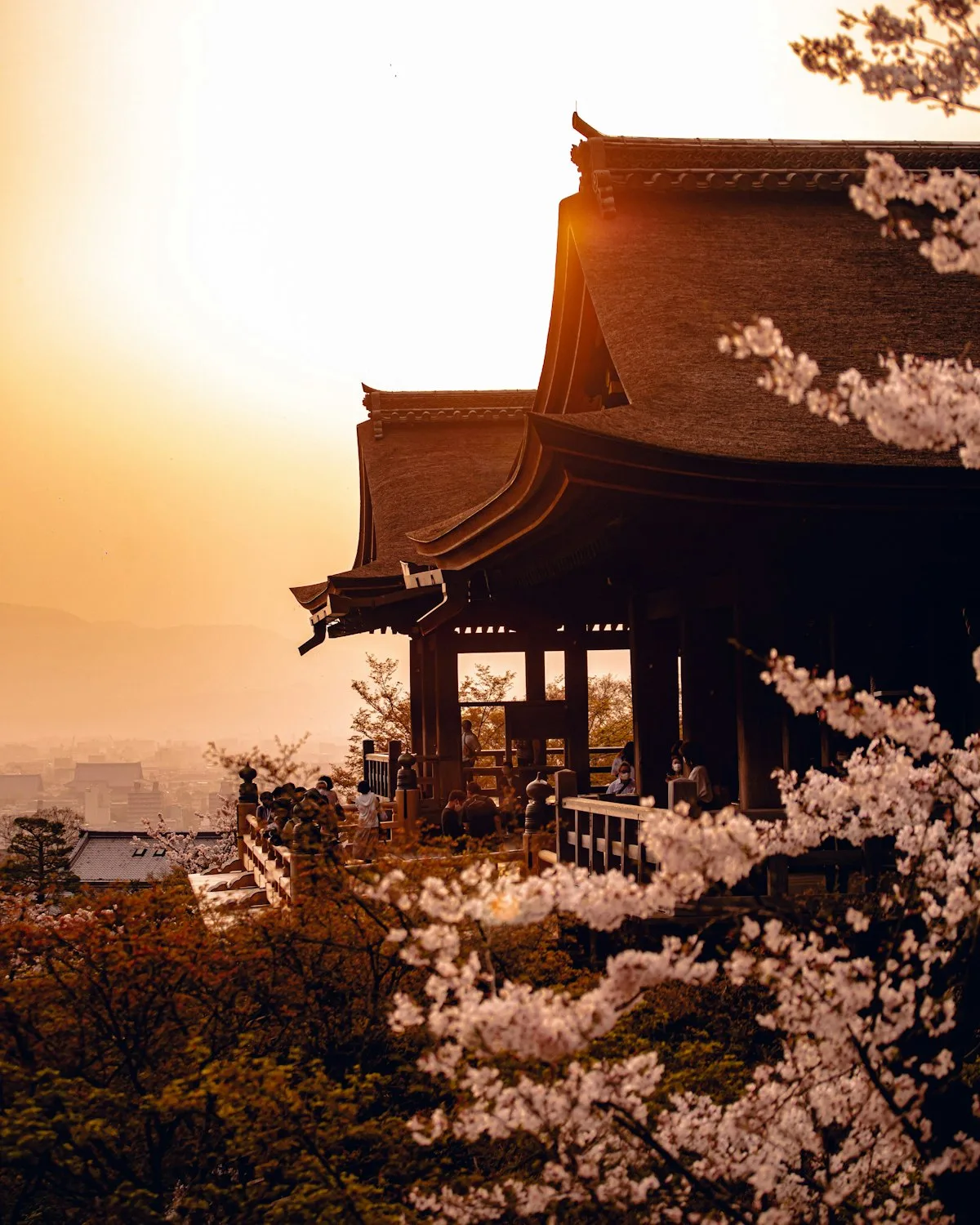
Tokyo is scale and speed — a city of distinct, self-contained neighborhoods (Ginza for luxury shopping, Roppongi for nightlife and contemporary art, Asakusa for the older city) that reward a few days spent going deep into two or three rather than skimming all of them. Kyoto moves at the opposite pace: former imperial capital, home to over a thousand temples and shrines, and best experienced early in the morning — Fushimi Inari’s torii gate paths and the city’s most photographed temples are markedly different places before the day’s crowds arrive.
Practical Notes
Cherry blossom (late March into early April, Tokyo generally a few days ahead of Kyoto) and autumn foliage (November) dates shift year to year and are hard to predict more than a few weeks out — keeping flexibility either side of planned travel dates makes it easier to align with the actual bloom. Japan remains more cash-reliant than many visitors expect, particularly outside major cities, and a traditional ryokan stay is worth booking well ahead, since the best-known properties have genuinely limited room counts.
Entry Requirements and Everyday Money
Most passports — including the US, UK, Canada, Australia and much of the EU — allow entry to Japan visa-free for tourism, typically for stays of up to 90 days, under Japan’s own visa waiver arrangements rather than anything resembling the EU’s Schengen system. Japan remains a more cash-based society than many visitors expect outside major hotels and department stores, so it’s worth keeping yen on hand; a prepaid IC card (Suica or Pasmo) covers trains, buses and convenience stores smoothly. Tipping isn’t customary anywhere in Japan, including restaurants and taxis — good service is simply the standard, and offering a tip can occasionally cause more confusion than goodwill.
If you’re planning a Japan trip, tell us how you’d like to split time between Tokyo and Kyoto and we’ll build the pace and access around it.
Japan
Why Visit
- Private tea ceremonies
- Temple access outside public hours
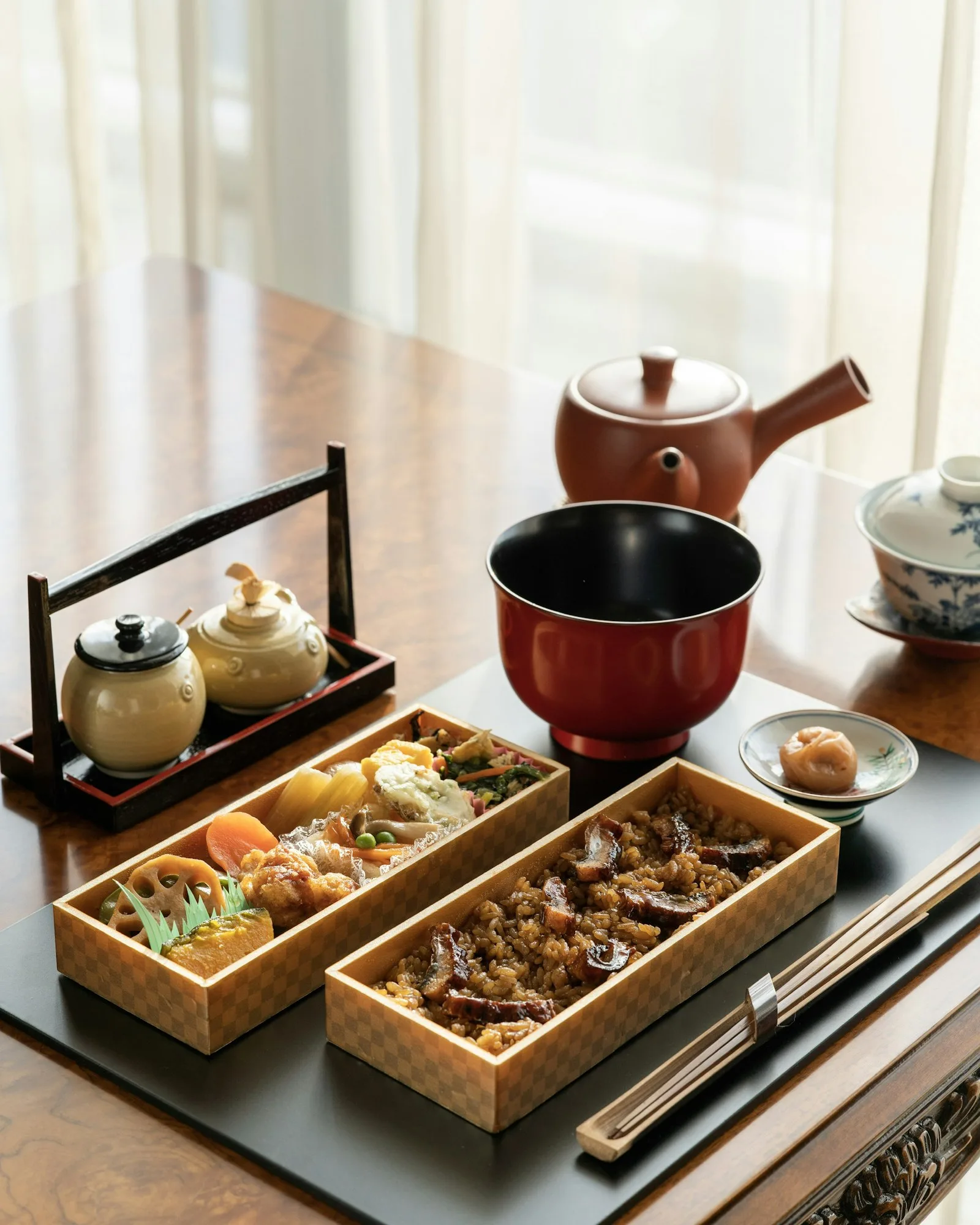
- Seasonal kaiseki dining
- A slower itinerary pace, built around fewer stops seen well rather than many seen quickly
- Best Time to Visit
- March–May (cherry blossom) and October–November (autumn foliage).
- Suggested Stay
- 7–10 nights across Tokyo and Kyoto.
Travel Notes
Cherry blossom and autumn foliage dates shift year to year and can be hard to predict more than a few weeks out; keeping a few days’ flexibility either side of your planned dates makes it easier to align with the actual bloom.
Destinations
Related Destinations

Europe
Athens
Ancient history paired with a fast-growing dining and design scene — often the starting point for an island-hopping trip.

Europe
Bordeaux
The heart of French wine country — château visits, private tastings and a compact, walkable city centre.

Europe
Burgundy
Grand cru vineyards, historic wine houses and the quiet market towns of eastern France.
Japan
Why Plan This Through MYVIPSERVICE
- Real access, not promises — expert-guided museum tours at the Louvre, Musée d’Orsay and other major collections, and direct relationships with the Palace and boutique hotels we recommend, not just booking links.
- One point of contact from arrival to departure — a driver waiting, a concierge team reachable throughout, not a different agent for each booking.
- Planned in your language — the team works in Chinese, English and French, with WeChat as a real, working contact channel.
- Built around your itinerary, not a fixed package — every recommendation on this page can be adjusted, combined or replaced.
Start Planning With Us
Tell us what you have in mind — we'll take it from there.
Request Bespoke Service