Seasonal Travel
The Real Question Behind Any Wine Journey: Not Which Estate, But Which Season
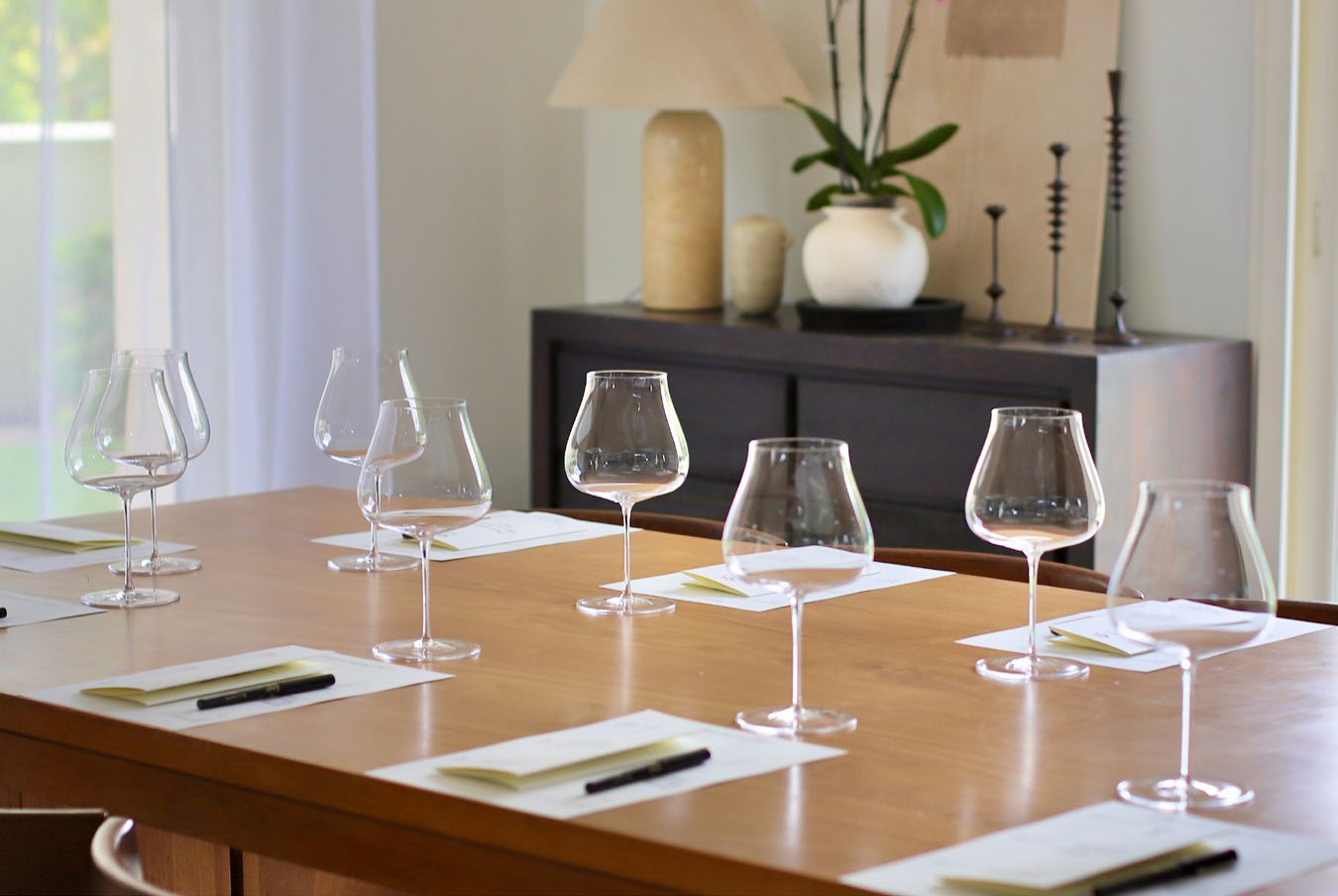
Photo: Maison Kairui / Maison Kairui, Provided by property for promotional use
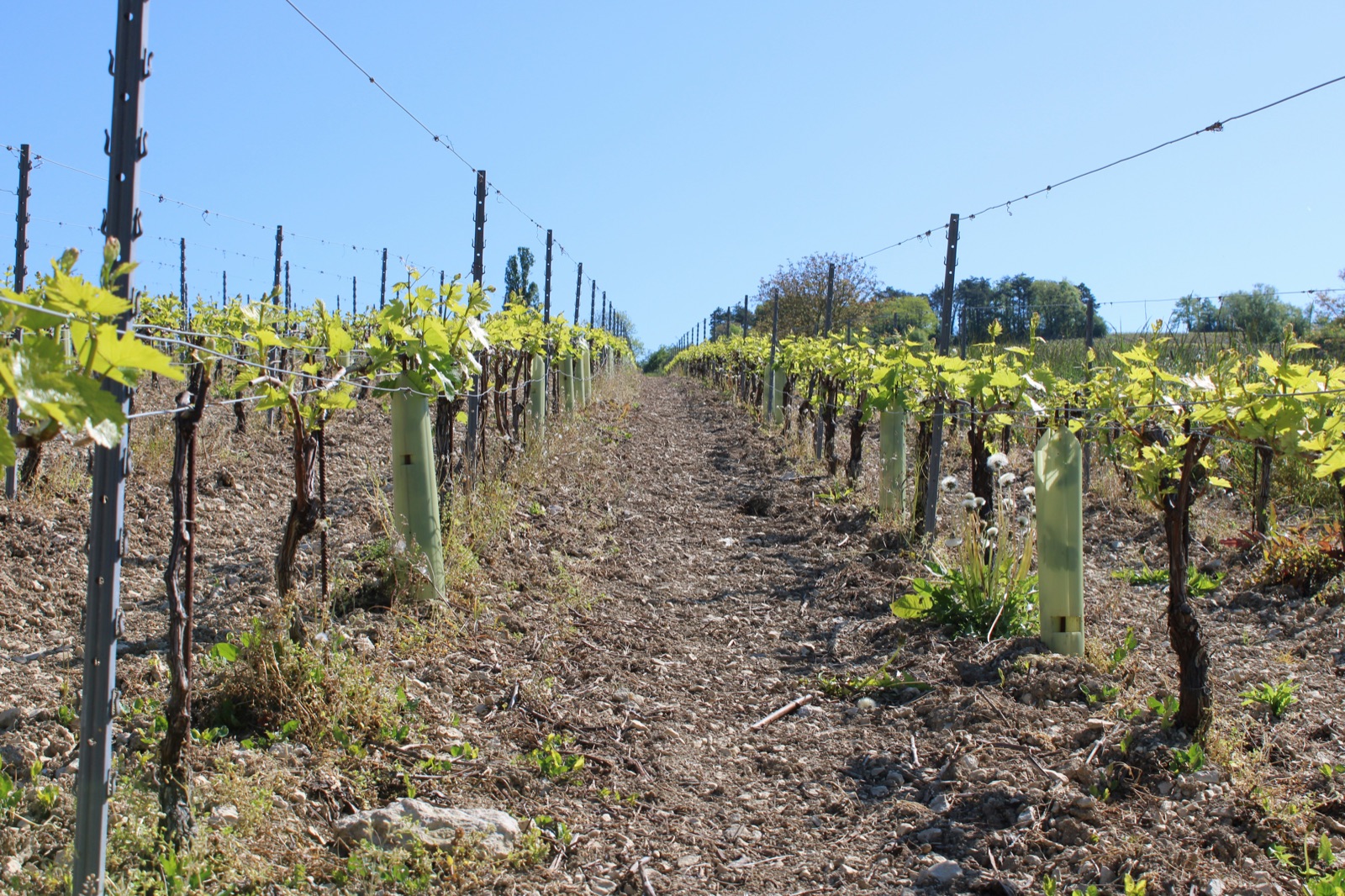
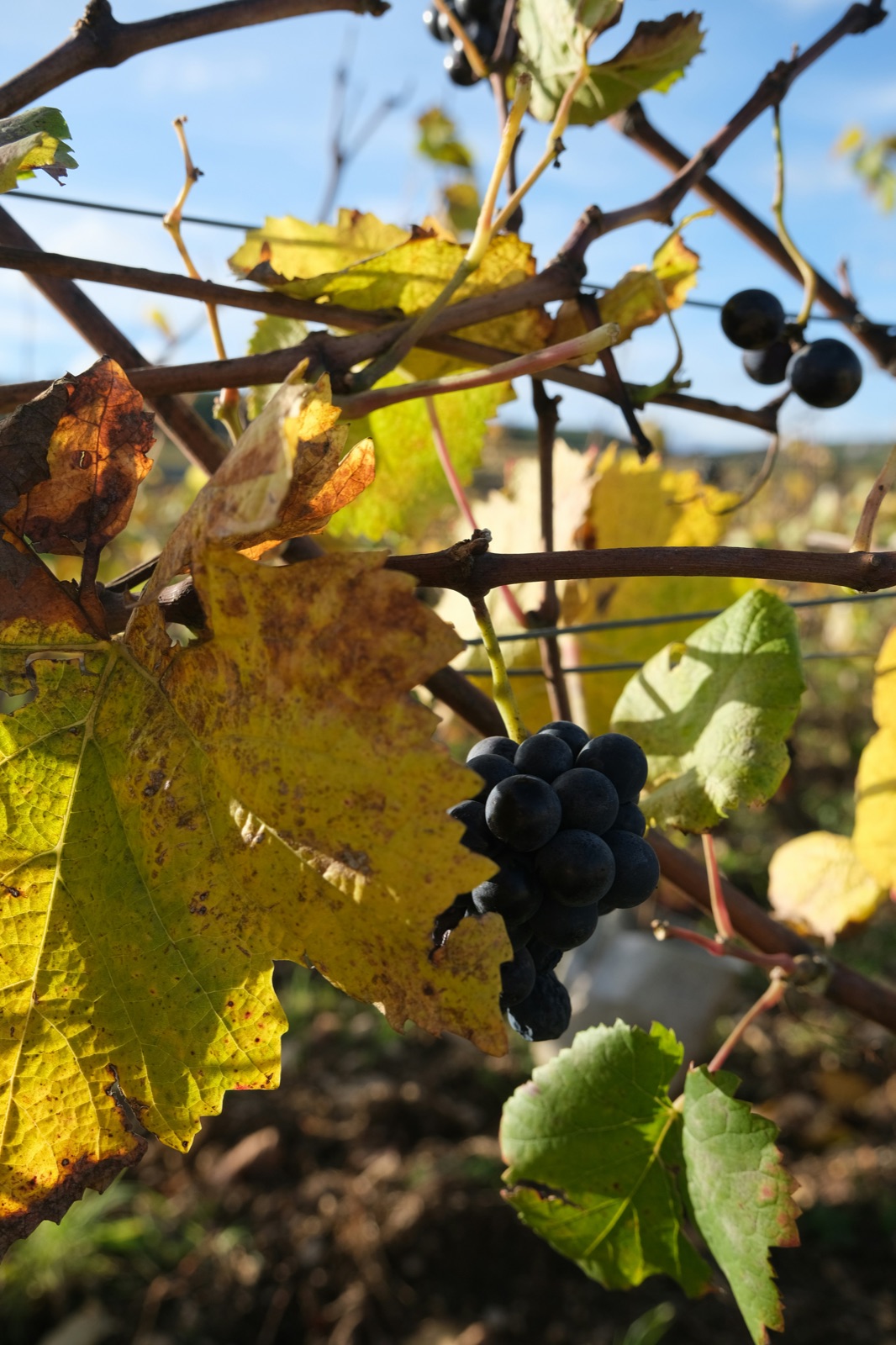
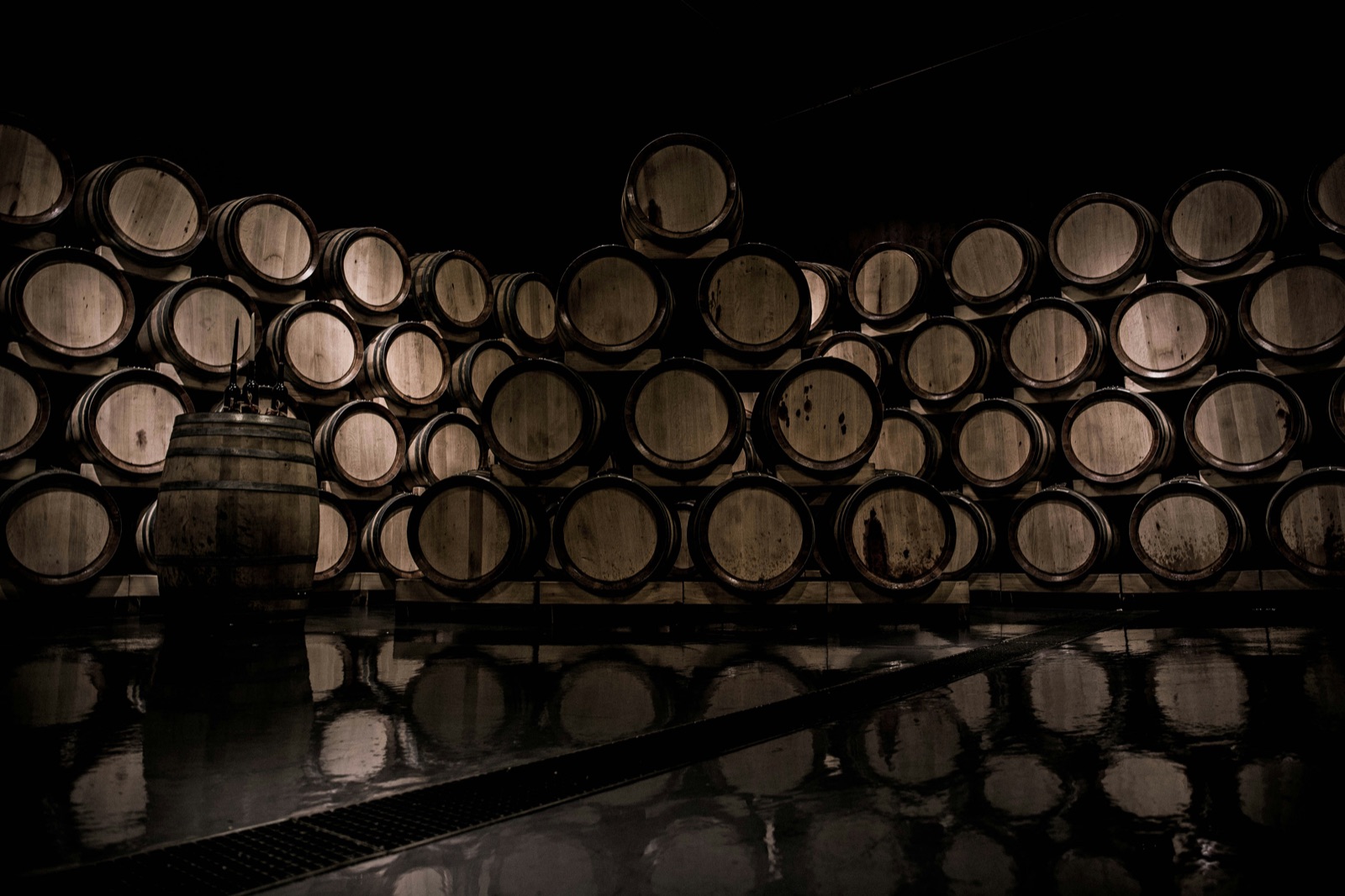
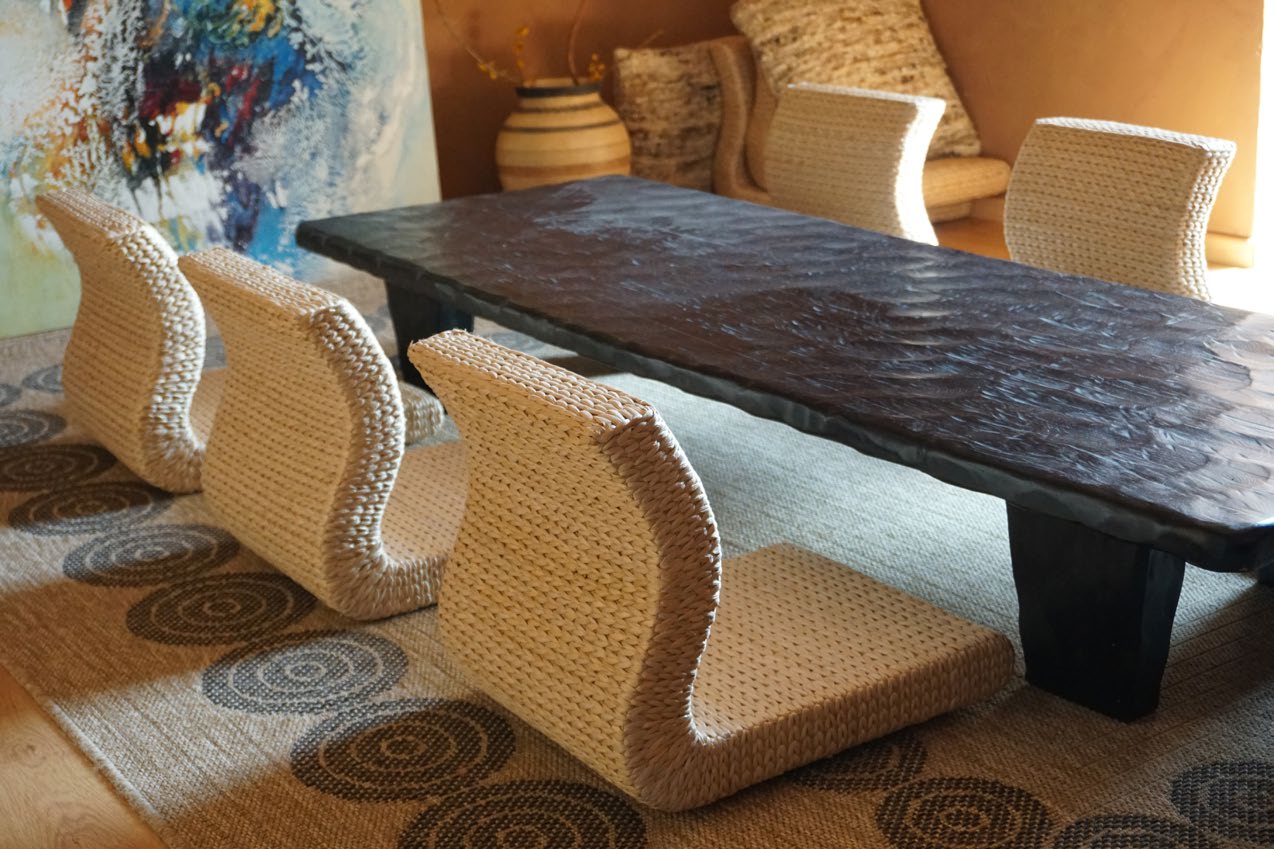
Photo: Maison Kairui / Maison Kairui, Provided by property for promotional use
- Category
- Seasonal Travel
- Reading time
- 4 min read
- Published
- September 4, 2026
Season first, region second
Most people planning a wine journey start with “which estate.” Anyone who truly knows the world of wine starts differently: “which season.” The same château gives you a completely different experience in April than it does in October. The vine keeps its own calendar, and every estate moves with it — what you’ll actually see, whether you’ll be properly received, and whether the wine itself is even the right thing to open that day, all comes down to where you land in that calendar.
Four seasons, four completely different estates
Spring (April–May): budbreak, the quietest point in an estate’s year
The vines have just woken from dormancy, the first buds are only beginning to show, and there’s none of the high-season bustle — winemakers have more time to sit down and talk with you. This is a good season for a quiet visit, for seeing how an estate is preparing for the new vintage, and it’s also the easiest time to secure a tasting hosted personally by the estate’s owner.
Summer (June–August): the vines at their fullest, made for outdoor tasting
The vineyard is at its greenest, days run long, and many estates move tastings into the evening, paired with dinner outdoors on the property. This is the season to blend a wine itinerary with a genuine holiday rhythm — no need to rush between stops; spend the day by a pool or in a garden, and head out once evening comes.
Harvest (September–October): the most ceremonial point of the year — and the most in demand
Known in French as the vendange, this is the single most important moment on the wine calendar. Some estates allow guests to take part in picking, or even watch the pressing. But it’s also the estate’s busiest stretch, and quite a few simply won’t receive visitors for tastings during this window — booking often needs to happen months, sometimes half a year, in advance, with dates shifting to match how that year’s harvest is actually progressing.
Winter (November–March): settling into the cellar, for serious tasting
The quietest season for visitors turns out to be the best one for depth — with no high-season rush, an estate has real time to sit with you, open an aged bottle, and tell you the story behind that particular vintage. A fireside dinner at an estate, too, tends to only carry that particular atmosphere in this season.
Different regions, different rhythms
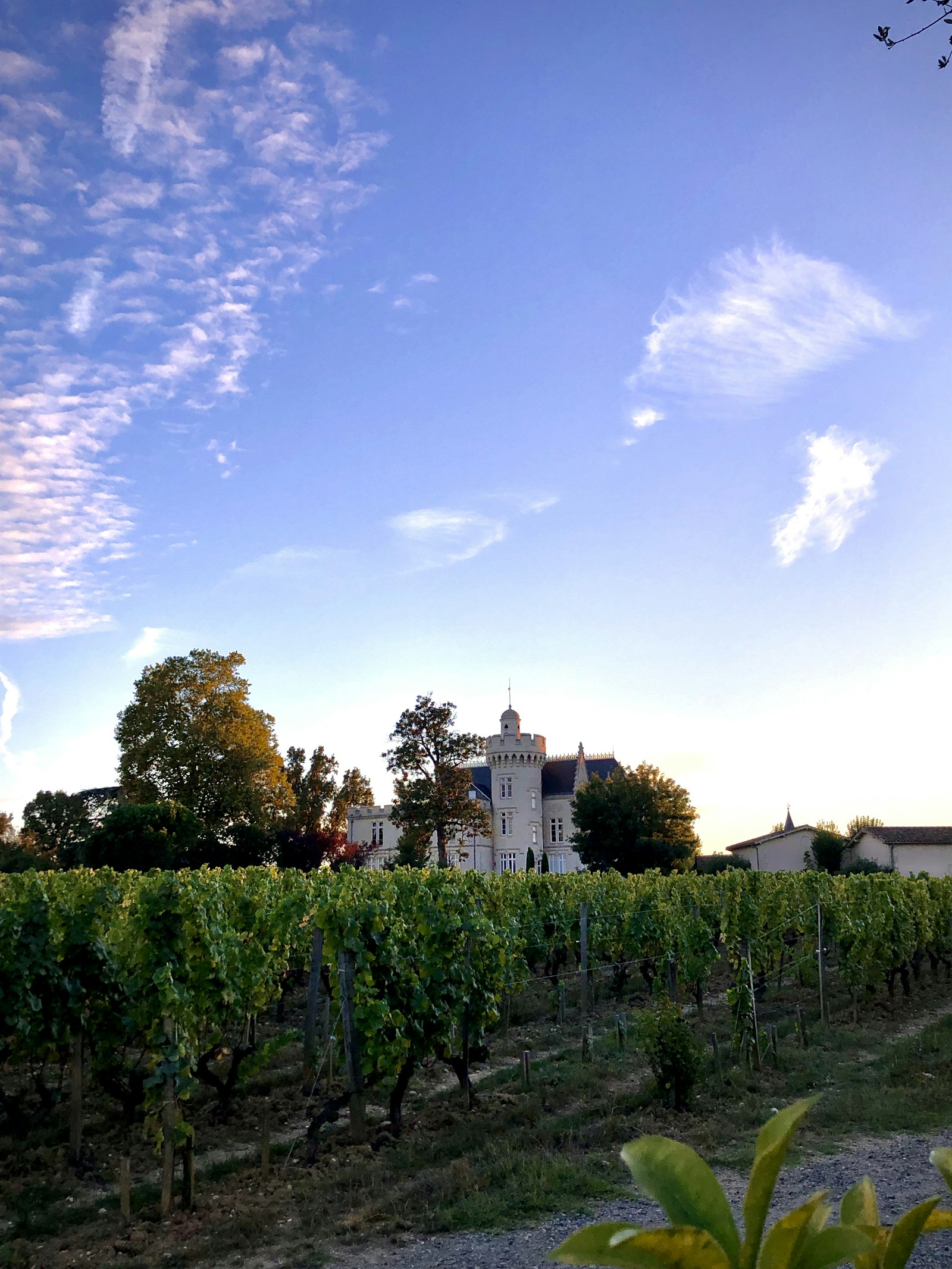
Bordeaux: the Left Bank leans Cabernet Sauvignon, the Right Bank leans Merlot, and the contrast between the two banks makes for a natural comparison within a single trip. The châteaux themselves tend to be grander in scale, suited to a somewhat more formal style of tasting.
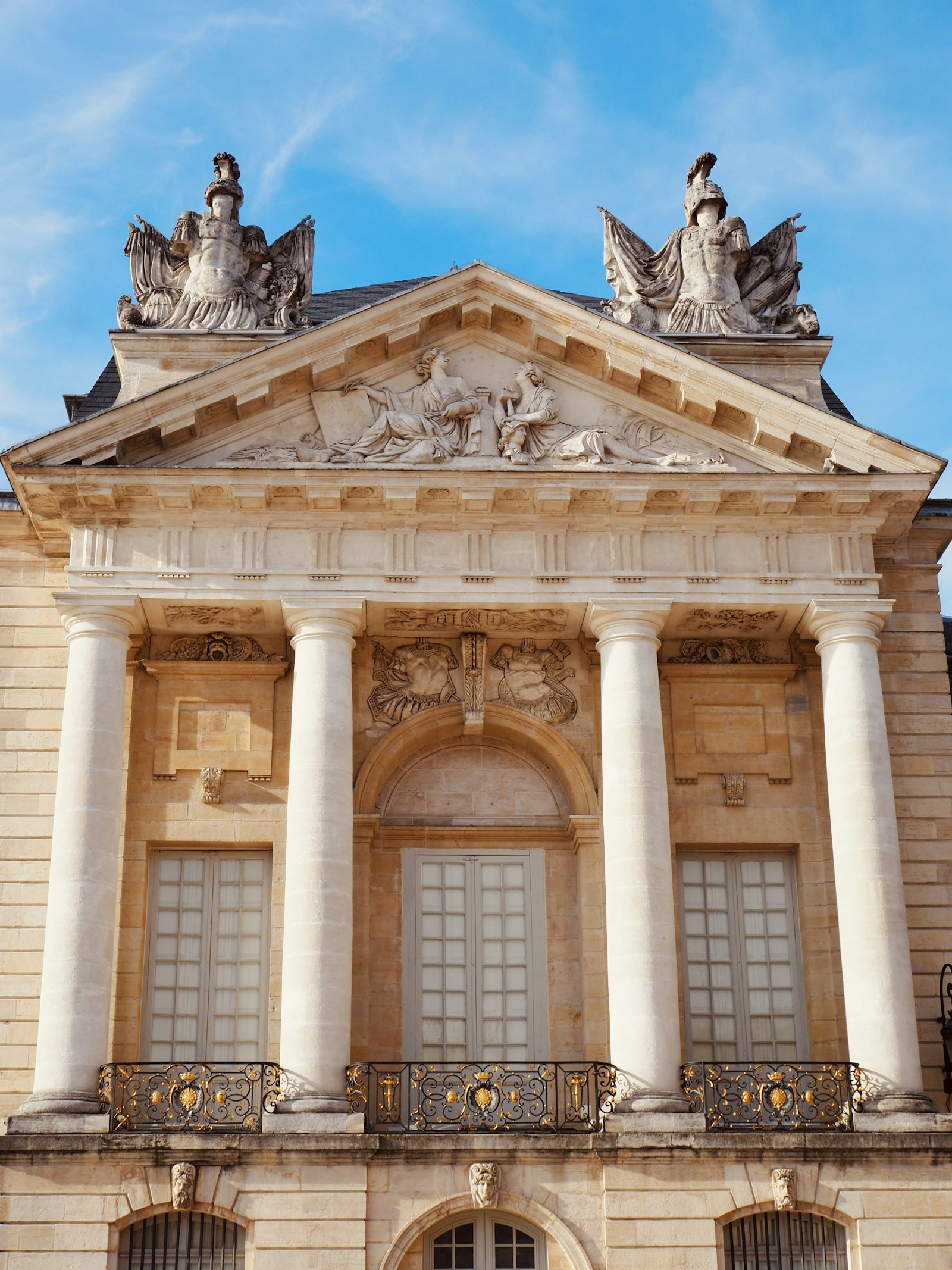
Burgundy: just two varieties, Pinot Noir and Chardonnay, yet parsed into a finely layered classification — village level, Premier Cru, Grand Cru — where two neighbouring plots along the same Route des Grands Crus can produce wines with entirely different personalities. Estates here, the domaines, tend to be smaller and more family-run, with tastings often taking place in the winemaker’s own home.
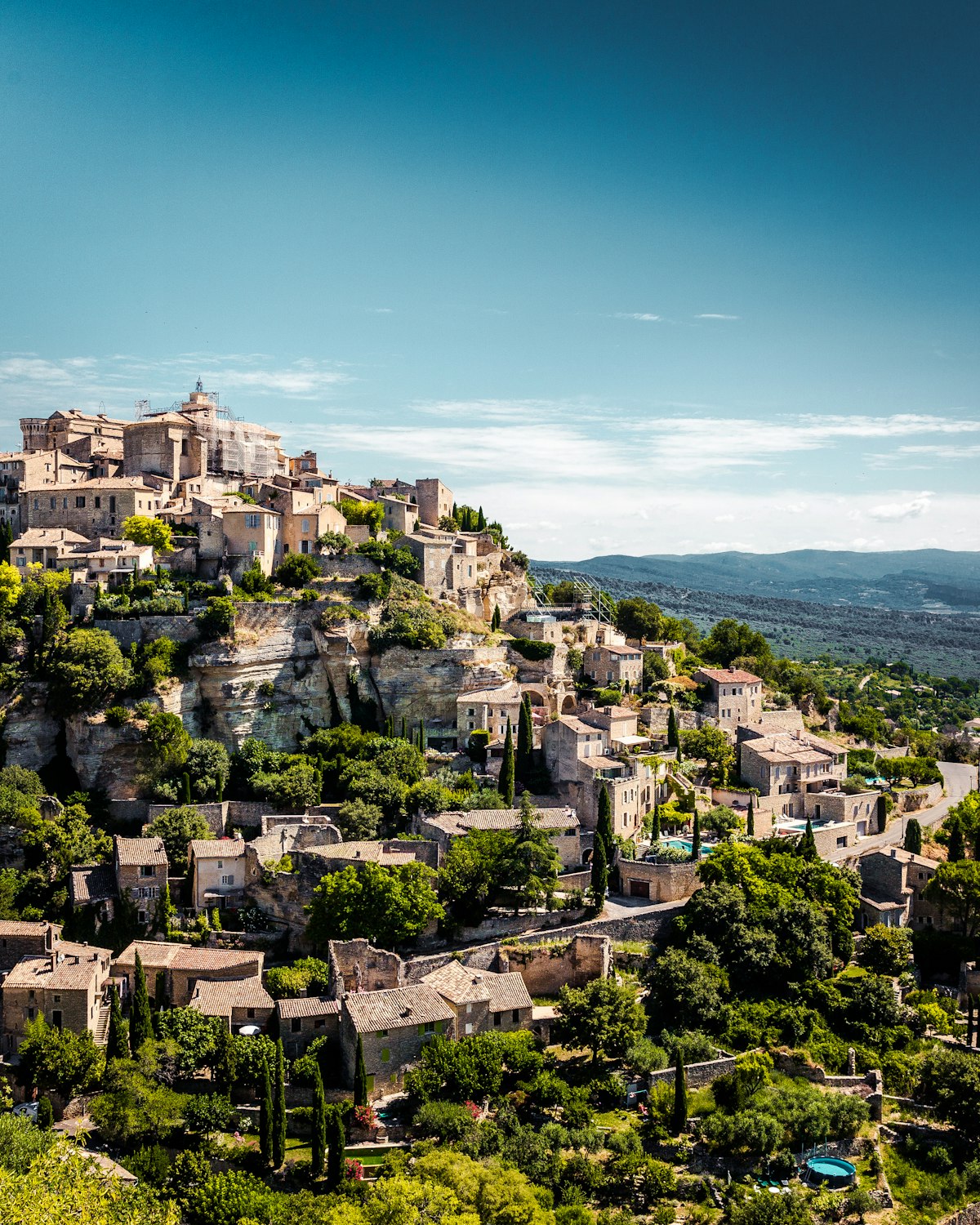
Provence: if the itinerary could use a lighter pace, Provence’s rosé tradition is worth including — rather than the “deep tasting” mode of Bordeaux or Burgundy, this is better suited to an estate lunch with a chilled glass of rosé, a breathing space within the broader wine journey.
A place we’d consider staying in Burgundy
If the Burgundy leg of the trip should be more than “estates by day, a hotel by night,” Maison Kairui is one of the private residences we’d consider — in Quincey, near the Route des Grands Crus, built personally by a winemaker, with a wabi-sabi-inspired interior, its own tearoom and a garden pool. Move through the vineyards by day, and come back here in the evening without ever having to relocate.
Whichever region you land on, whichever season you choose, the real value of a trip like this was never “which estates I visited” — it’s whether you were genuinely brought into this world, which depends on real relationships with the estates themselves, sound judgment on how a given vintage is unfolding, and a seamless arrangement from cellar to table. That’s exactly where we put the real thought into every wine journey we design.
Start Planning With Us
Tell us what you have in mind — we'll take it from there.
Request Bespoke Service