Destination Guides
How to Plan a Five-Day Provence Itinerary: Our Practical Advice
- Category
- Destination Guides
- Reading time
- 4 min read
- Published
- August 7, 2026
One of the questions we hear most is how long to spend in Provence. The honest answer: with one or two days, you’ll only see the postcard version. Around five days is enough to slow down and actually feel the place — the hilltop villages, the vineyards, the markets all reward not being rushed.
The best time to visit Provence
July and August are lavender season and also the hottest, most crowded two months of the year — popular spots like Saint-Rémy and Valensole can be genuinely hard to move through, and hotel prices climb noticeably. May, June and September are more comfortable temperature-wise, and vineyards are either just finishing preparations or wrapping up harvest, which often means a warmer welcome. By October most lavender fields have already been cut, so if seeing the flowers matters, the window is roughly late June through mid-July. When the dates are flexible, we generally suggest avoiding mid-August.
Getting to Provence
From Paris, the two most common routes are flying or taking the high-speed train. Marseille Provence Airport (MRS) has more international connections, which suits travellers coming from Asia via a connection. If you’re already in Paris, the TGV to Avignon TGV station takes roughly two and a half to three hours, and from there a rental car or private transfer puts you straight into the Luberon hills — often faster overall than connecting flights. Distances within the region are short, but public transport between the hilltop villages is thin, so driving or a private driver is the realistic way to get around.
Five days, day by day
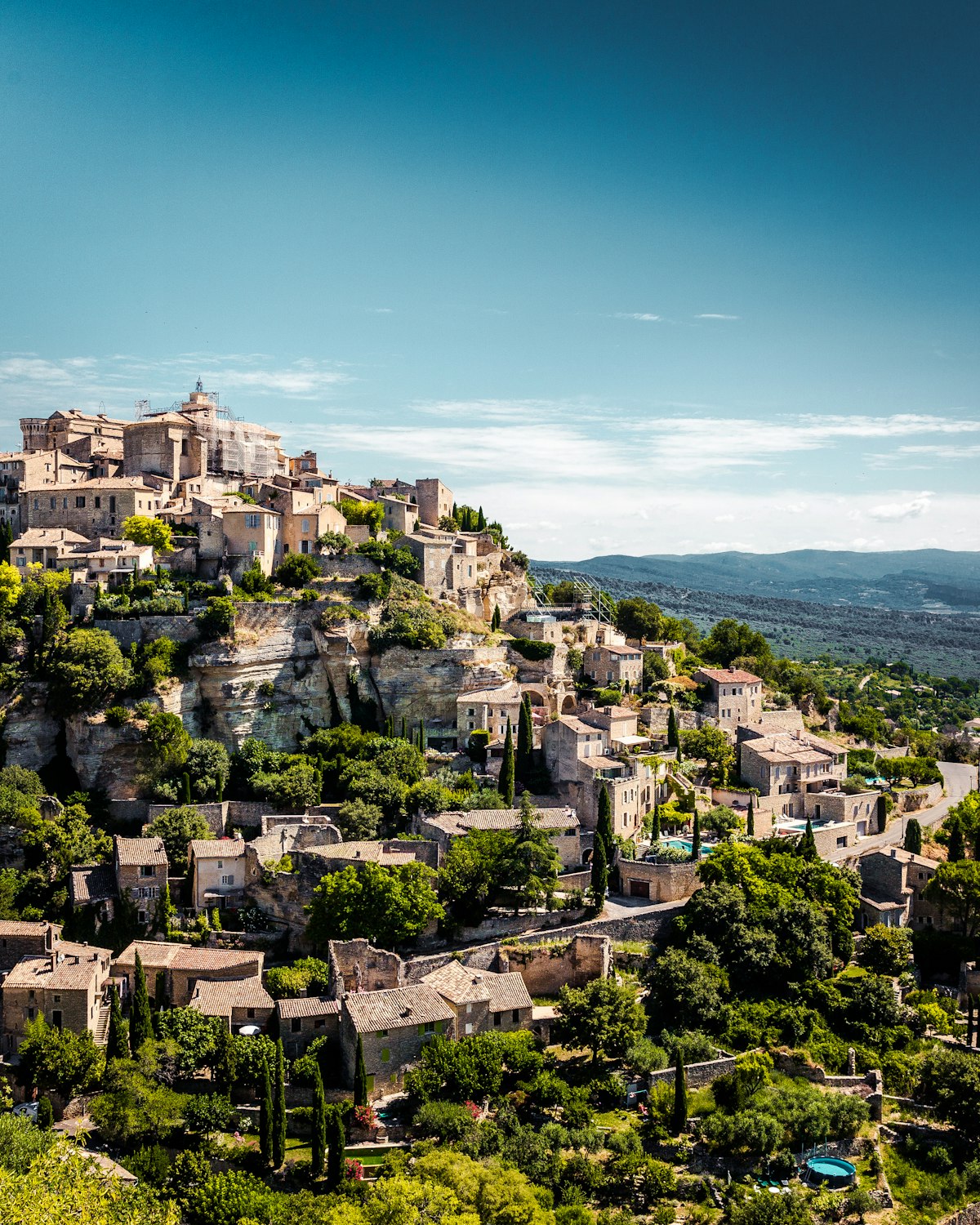
Days 1–2: base yourself in the Luberon and don’t over-schedule. Gordes, Roussillon and Ménerbes are all within 20–30 minutes of each other, which makes them a good radius for the first two days without needing to change hotels each night. We usually suggest one or two anchor points per day, leaving plenty of room to stop wherever the view is worth it and climb to the top of a village for the panorama.
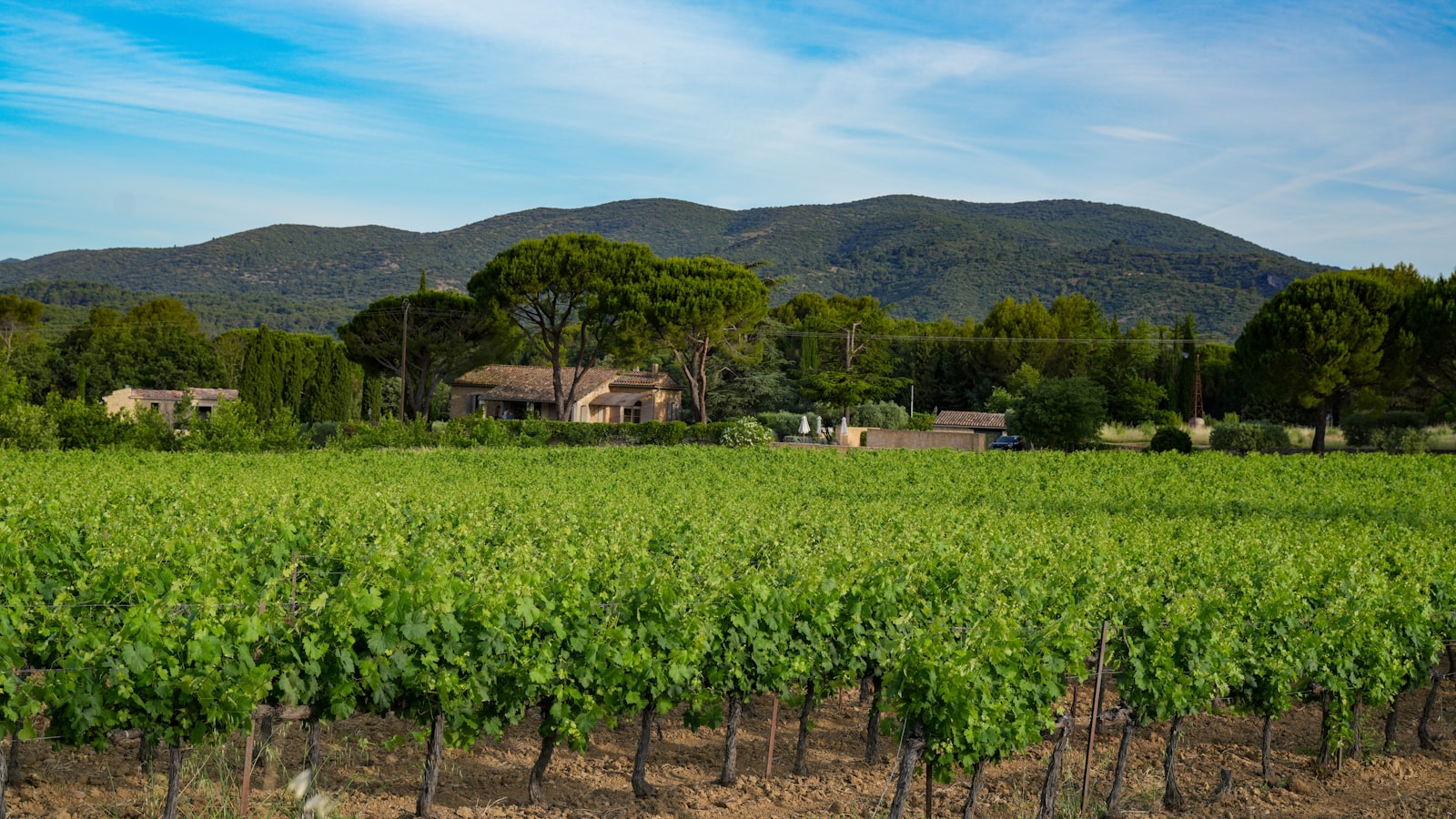
Day 3: build in a genuine “vineyard afternoon.” Not a rushed tasting stop, but an afternoon where the owner walks you through the vines and you sit down afterward to a lunch built around local ingredients. That’s the whole idea behind the private vineyard lunch experience — the point isn’t how many wines you tasted, it’s the feeling of actually being hosted.
Day 4: if the dates line up with a Sunday, don’t miss the market at L’Isle-sur-la-Sorgue. It’s one of Provence’s best-known markets — antiques, spices, local produce — and it’s manageable if you arrive by 9–10am; by midday it gets genuinely crowded. If Sunday doesn’t fit the schedule, the lavender fields around the Sénanque Abbey (in season) make a good half-day alternative.
Day 5: leave a day for the surroundings, and don’t overload it either. The French Riviera isn’t far from Provence, so it’s worth folding the coast or Monaco into the same trip rather than treating them as separate visits — the themed journey covering the Riviera, Monaco and Provence is built around exactly that logic. If the last day is also your departure day, we’d suggest keeping it light: a packed final day of a long trip is usually where the fatigue shows up most.
Practical tips
- Wear comfortable shoes. The hilltop villages are almost entirely cobblestone and slopes — not the place for hard soles or heels.
- Carry both cash and a card. Plenty of market stalls are cash-only, while small village restaurants mostly take cards — having both covers you either way.
- Check ahead whether a restaurant is actually open that day. Many small Provençal restaurants close one or two fixed days a week (Monday or Tuesday are common), and turning up to a closed door happens more often than you’d think.
- The temperature swing between day and night in the hills is bigger than it looks, even from June to September — bring a light layer for dinners outdoors.
Frequently asked questions
Is Provence suitable for children? Yes, but we’d suggest steering away from long vineyard visits and leaning into village walks and markets — activities you can pause at any time — for a more relaxed pace than an adult-oriented itinerary.
Do we need to rent a car? If you’re not arranging a private driver for the whole trip, a rental car is essentially necessary — public transport between the hilltop villages is sparse, and taxis aren’t easy to hail on demand in the smaller towns.
Is five days enough to see all of Provence? Provence covers a large area, and five days is enough to properly experience the Luberon and its surroundings, but not the entire region — the Camargue further south, the Vaucluse mountains further north. If you only get one trip, going deep on the Luberon beats skimming across several areas.
If you’re planning a Provence trip, let us know roughly which month, how many days and how many travellers, and we’ll help build the itinerary at this pace — including whether the Sunday market or lavender season should factor into your dates.

Start Planning With Us
Tell us what you have in mind — we'll take it from there.
Request Bespoke Service